1.2 Stakeholders
Age Ratings
There are many rating systems which classify the target audience for a video game used today. The most popular and commonly used age classification system is PEGI. There are also others such as ESRB, bbfc, and USK.


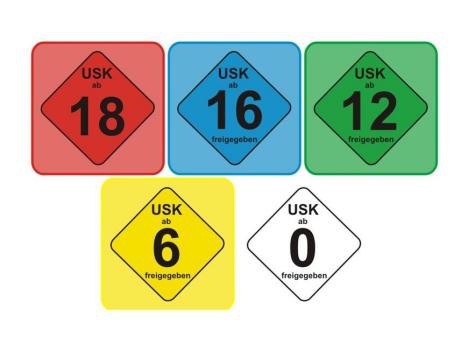
All of these rating systems feature similar categories. There is usually one class for everyone/very young children, one for slightly older children, one for young teens, one for older teenagers and one for adults. This classes are clear and help stakeholders such as the consumer or consumers' parents identify if the game is suitable for them.
The game I will be making is targeted towards all players, so the PEGI rating I am aiming for is a PEGI 3. The criteria for a game to be rated PEGI 3 has been extracted from the PEGI official website:
The content of games with a PEGI 3 rating is considered suitable for all age groups. The game should not contain any sounds or pictures that are likely to frighten young children. A very mild form of violence (in a comical context or a childlike setting) is acceptable. No bad language should be heard.
Global Markets
Research suggests that the worldwide video game market will grow at a rapid 12.9% compound annual growth rate between 2022 and 2030 (GrandViewResearch, 2020). This is especially true for Free2Play games and multiplayer games, which is why these categories will be used for my game.
Last updated